 Number 233 - September 2002 |





|
| UPDATE | |
|
Trying Out New Digs
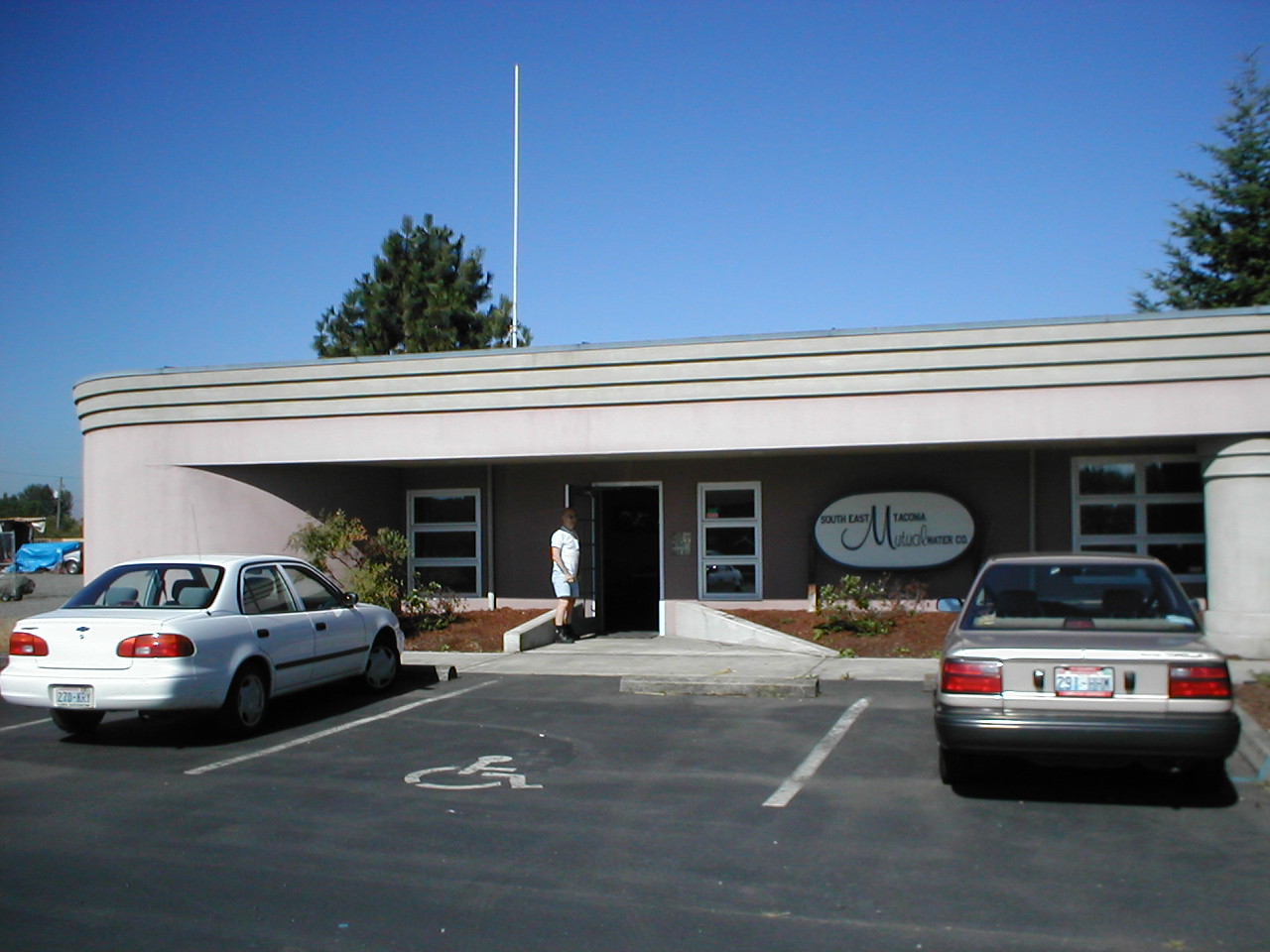
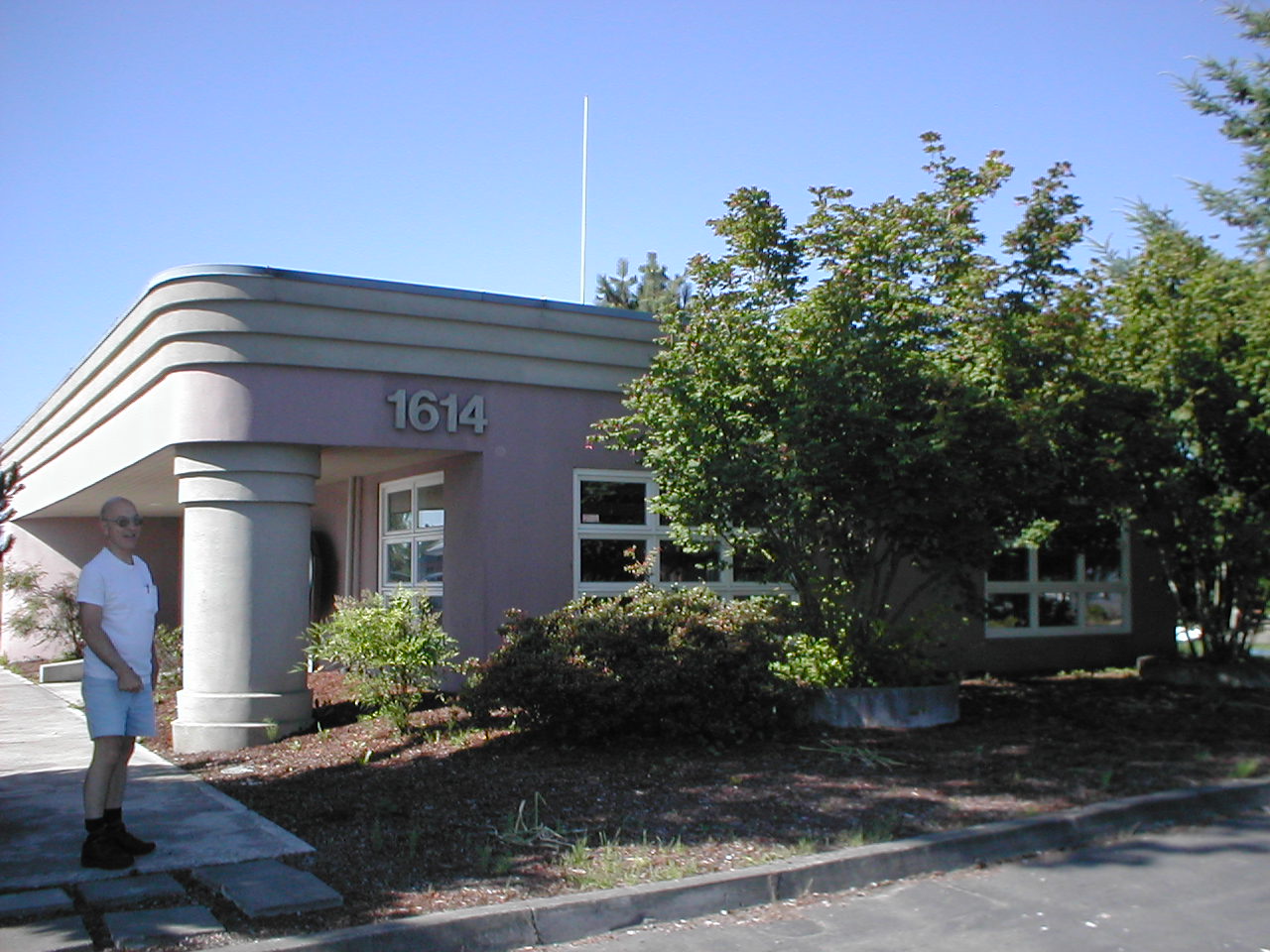
This month we are meeting for the first time in the new meeting room we told you about last month. A map to the new location is shown below. From Highway 512, go north on Portland, then west on 99th St. across the railway tracks. The pictures should help you identify the building. 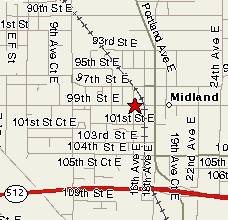
|
Advanced Stuff?
In the Communications section we have included an article on the problems of keeping a Web Server up in the face of hacker attacks. If you find it beyond your ken don't worry about it. (Ken probably doesn't know either.) Every so often we have throw a sop to our more technically advanced members to maintain their interest. This one is for them. Something For Spreadsheet and Slide Show Afficidi..., Afficiad..., uh..., Junkies For those of you who use the Microsoft Office software suite, this issue carries some tips on special features of the Excel spreadsheet as well as a pretty potent plan pushing portable PowerPoint presentations. To Toggle, v.t. In his August 4th, 2002 column, in the Seattle Times, James J. Kilpatrick said: "... In computerspeak "to toggle" is to "switch back and forth" between two computer operations using the same key or command." If computer geeks can toggle fonts, students surely can toggle English and Spanish." As you faithful readers well know there is yet another useful (we hope) meaning to the word encompassing most of the above--and more. Chalk One Up For WiFi 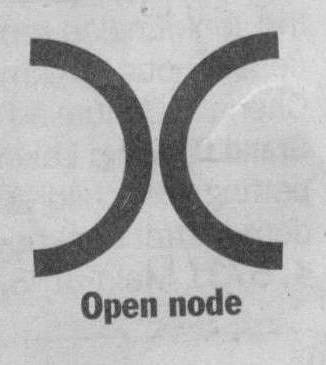 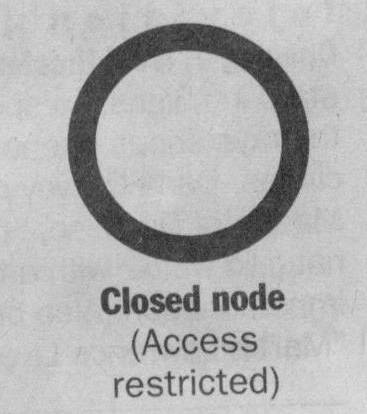 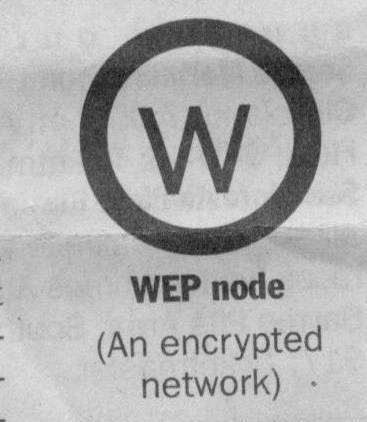
Do you know what these symbols mean? No! They have nothing to do with Tic-Tac-Toe! They relate to one of the latest WiFi developments. A new activity, reminiscent of the practice, during the Great Depression in the 1930's, of hobos leaving marks on households where a friendly reception, often a meal--sometimes lodging, could be had. This new practice is called Warchalking although Webchalking has been proposed as a more appropriate term. Here a roving WiFi user who has located a local WiFi network's Access Point (transmitter) on which one can possibly piggy-back to the Internet, places a chalk symbol on the pavement, a post or a building identifying the site. Read all about it in Webchalking. |
|
Number 233 - September 2002
|
|